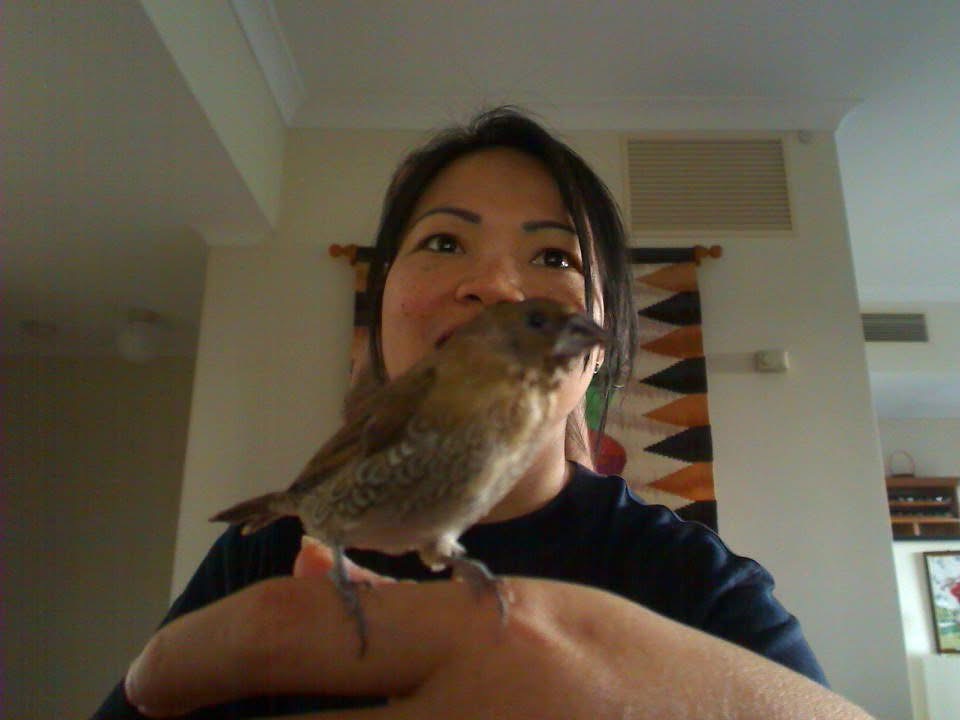
Originally written in 2010
Meggie was our baby.
He was a nutmeg mannikin finch that Graeme found on our lawn when he was still just a chick. He was very sick then, and we suspected he had been pushed out of the nest because he was weak. We hand-fed him, kept him warm, and even incubated him inside my shirt. From such a fragile beginning, he slowly turned into a lively little bird with a personality far bigger than his tiny body.
In his first weeks with us, Meggie loved to land on my thumb and fall asleep there. He was delicate, trusting and completely dependent on us, and before long he became more than just a rescued bird. He became part of the family.
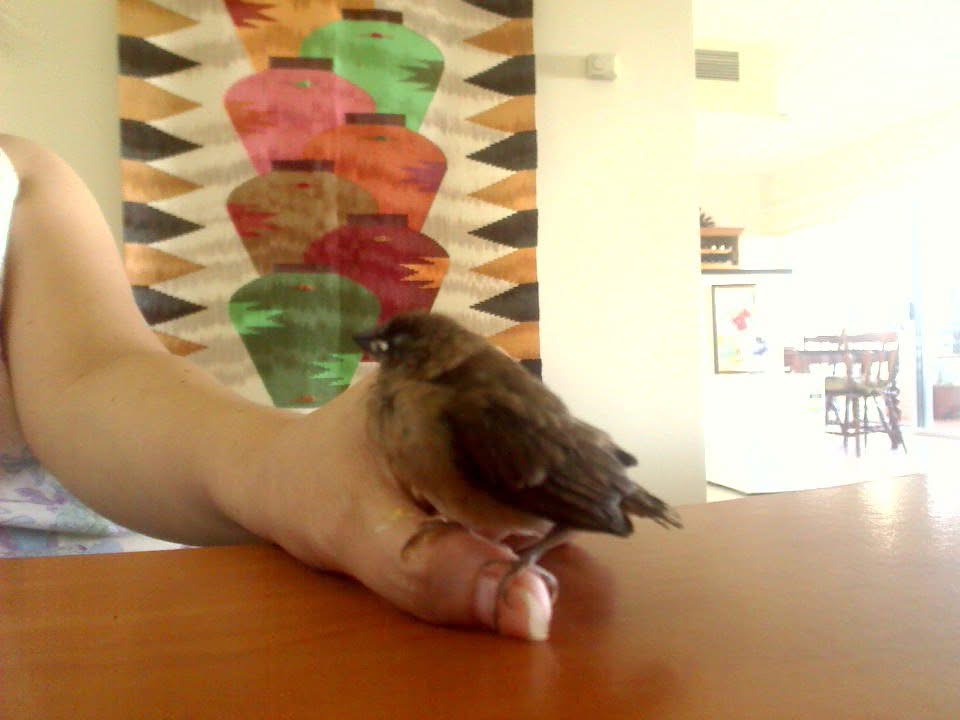
As he grew stronger, so did his confidence.
Meggie gave us plenty of drama along the way. There were days when he flew off and I had to go after him, climbing trees and collecting cuts and scratches in the process. On one occasion, I was tempted to say he found his own way home, but the truth was that I climbed up after him while he sat there watching. In fairness, when he finally saw me, he flew towards me. Sweet, but not exactly cooperative. 
He also had what I can only describe as dual personalities.
Part of him was deeply attached to us. He would cling to me and Graeme, especially if he got frightened or upset. But another part of him was always a bird first. He was curious about the wild birds outside, especially his own kind. Some days he socialised happily with them. Other days he came back offended after they attacked him, as if he couldn’t quite decide whether he belonged with them or with us.
That was Meggie’s life, really — somewhere between two worlds.
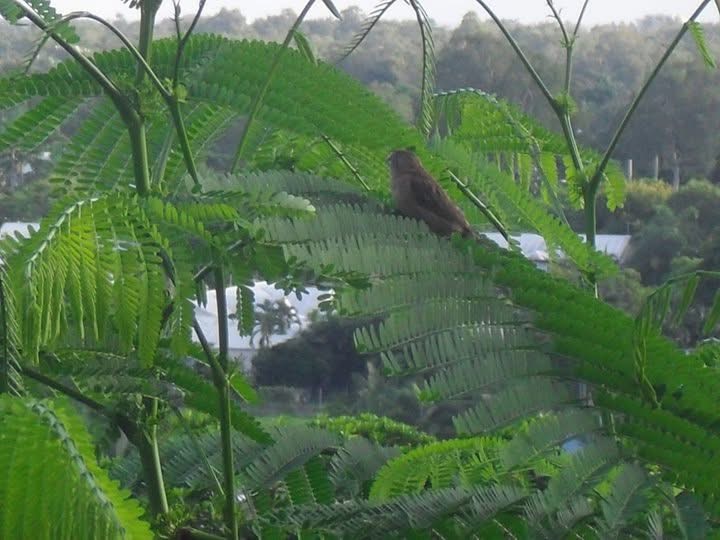
He was never just a wild bird passing through, and he was never entirely a pet either. He was both. Our little hand-raised baby, and at the same time a bird who still carried the call of the flock within him.
Over time, it was amazing to watch him change. The sick chick we once had to hand-feed began to look more and more like the bird he was meant to become. His chirping changed. His feathers changed. He grew more independent, more alert, more himself.
We had Meggie for about two years.
Then one year, when I went home to the Philippines, a friend stayed at our place and opened the screen door for him so he could continue to socialise with the wild birds. After about ten days of us being away, Meggie was gone.
We never got him back.
Of course, losing him hurt. We had raised him, worried over him, chased him, fed him, loved him and made room for all his little dramas. But as painful as it was, I have always liked to think that perhaps Meggie simply decided it was time.
Time to stop living between two worlds.
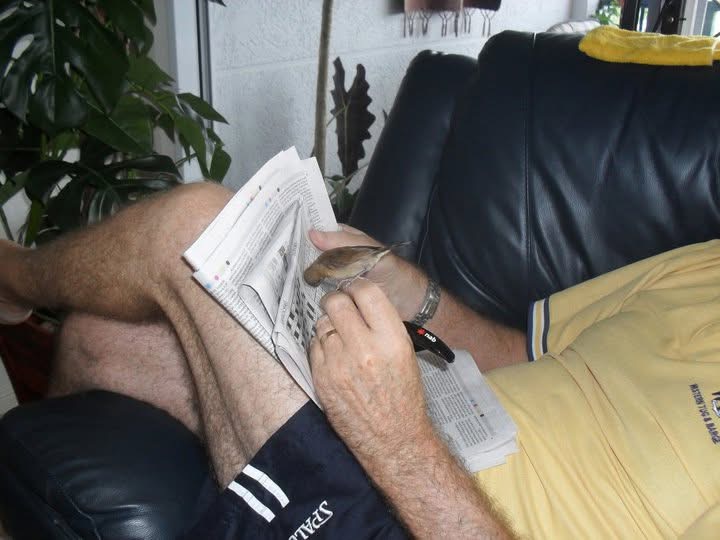
Time to join his flock.
And maybe, after everything, that was where he was always meant to end up.

